Blog & Insights
Franchise tips, business insights and 7x Basket updates.
How to Reduce Shrinkage & Theft in a Grocery Store in 2026
Inventory management reduces shrinkage by showing you a problem while it's small, instead of after a full quarter has passed. Real-time, POS-linked stock tracking flags the moment recorded stock and billed sales stop matching, so you can dig into a pattern within days, not months.
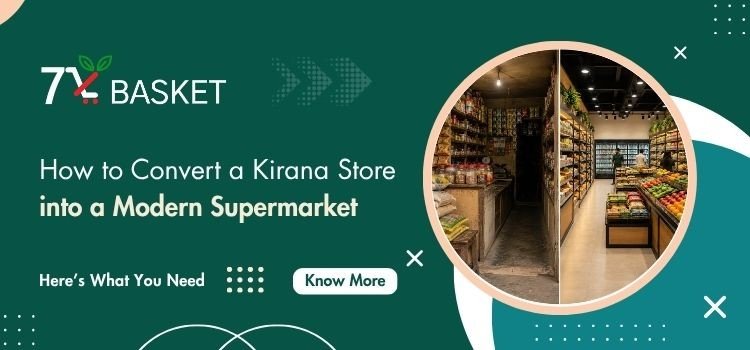
How to Convert a Kirana Store into a Modern Supermarket
Kirana store owners are upgrading to supermarkets because self-service shopping and quick commerce apps have shifted what customers expect from a neighborhood grocery run. A typical kirana to supermarket transformation costs ₹10 lakh to ₹15 lakh for a mid-size store, covering shelving, POS software, inventory, and branding.
Top 10 Mistakes to Avoid When Launching a Grocery Store in India
The most common mistakes to avoid in grocery business are misjudging the money, the catchment, and stock control. India has 12 to 13 million kirana stores serving 80 to 85% of the population (IndexBox, 2026), so demand is rarely why grocery stores fail in India. Thin margins and weak cash planning are. The 10 mistakes below are each a different cause, in the order you face them when launching a store.
Supermarket Grand Opening Checklist: How to Drive Footfall From Day One
A grand opening footfall plan works when it's tied to a calendar, not a wish list: the 10 actions above, sequenced backward from launch day, a soft opening used to catch problems early, and a follow-up message already funded before day one even arrives.
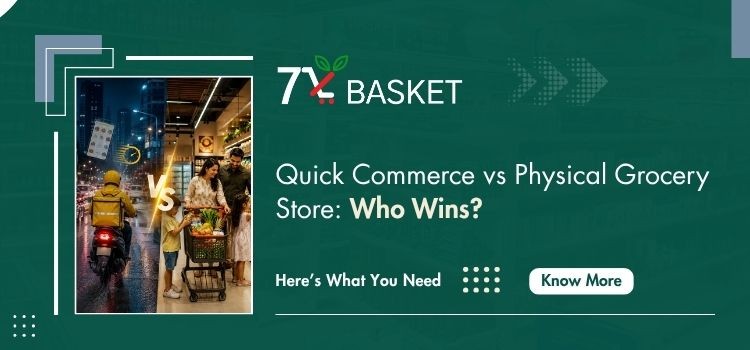
Quick Commerce vs Physical Grocery Store: Who Wins?
Quick commerce wins on speed, but physical grocery stores and supermarkets still win on price, range, and trust across most of India. Platforms like Blinkit, Zepto, and Swiggy Instamart deliver groceries in 10 to 30 minutes, but they carry a price premium and still haven't proven they can turn a consistent profit at scale.
How to Maximize Profit in Mini Supermarket Franchise
To maximize profit in a mini supermarket, owners must prioritize high-margin categories like personal care and beverages alongside high-demand staples, maintain a stock rotation cycle of 25 to 35 days, and use POS data for weekly inventory decisions. Location near a residential colony of 500 or more households consistently outperforms location decisions based on rent alone.
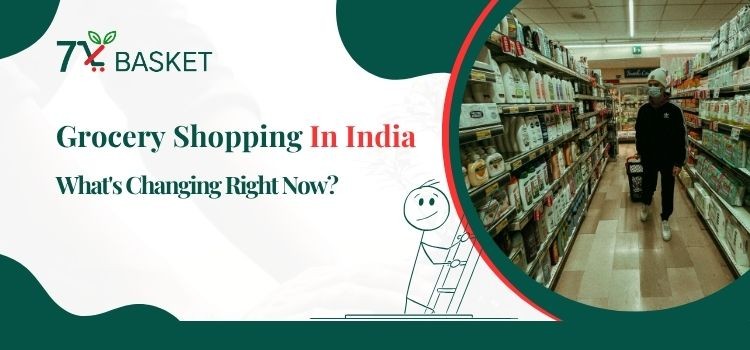
What's Changing in Grocery Shopping in India Right Now?
India's grocery market is valued at approximately $740–780 billion in 2026, the third-largest food retail market in the world, growing at 9% annually. Quick commerce platforms like Blinkit, Zepto, and Swiggy Instamart have scaled to $10–11 billion GMV and serve 33 million monthly users across 150+ Indian cities.
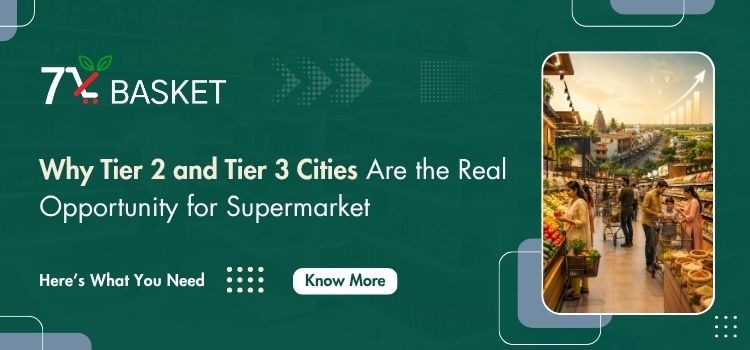
Why Tier 2 & 3 Cities Are Best for Supermarket Franchise Opportunity
For anyone evaluating a supermarket franchise in India, the conventional wisdom was simple: go where the population density is. That meant Delhi, Mumbai, Bengaluru, and Hyderabad. Franchise investors followed that logic, and those cities became competitive, expensive, and margin-thin for new entrants.
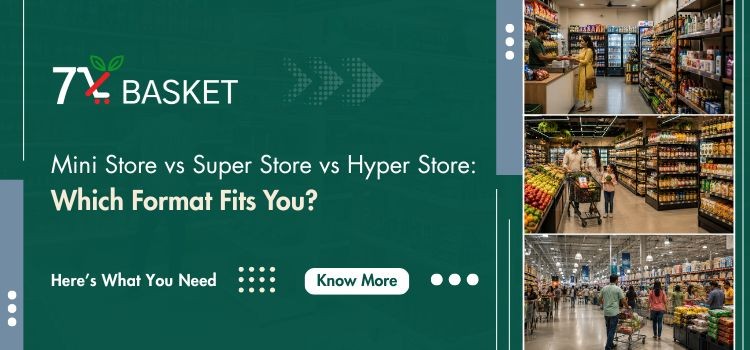
Mini Store vs Super Store vs Hyper Store: Which Format Is Better?
Most first-time buyers exploring a Grocery Store Franchise ask the same question before signing anything: which size store should I actually open? The honest answer is not the biggest one you can afford. The right format depends on your budget, the property you can secure, the kind of market you are entering, and how hands-on you want to be from day one.